I've been going to markets consistently for about three years now — partly because I shop there, partly because I'm interested in what they are. A market is a specific kind of social arrangement. How it fails is as interesting as how it works.
The Netherlands has an unusually dense market culture, at least compared to most of Western Europe. Almost every town has a weekly one. A lot of them are worth nothing. Some of them are excellent. The difference isn't always obvious at first.
What a failing market looks like
The tells: stalls selling the same things. Produce that came from a single wholesale supplier and hasn't been sorted. No one talking. Vendors on their phones. The covered section dominated by cheap imported textiles and kitchen gadgets. Mostly older visitors with bags on wheels, because the younger ones stopped coming years ago.
This describes a lot of Dutch markets. The Wednesday one in a medium-sized city I won't name, specifically. I went three times in a month because I was convinced I was missing something. I wasn't.
The markets that work have at least one person who clearly grew what they're selling. Sometimes you can see the dirt still on the root vegetables. That sounds like romanticising it, but it's actually just accurate information about the supply chain. A stall where someone brought their own carrots is in a different category than one where the carrots arrived in a truck from a depot.
What makes a good one
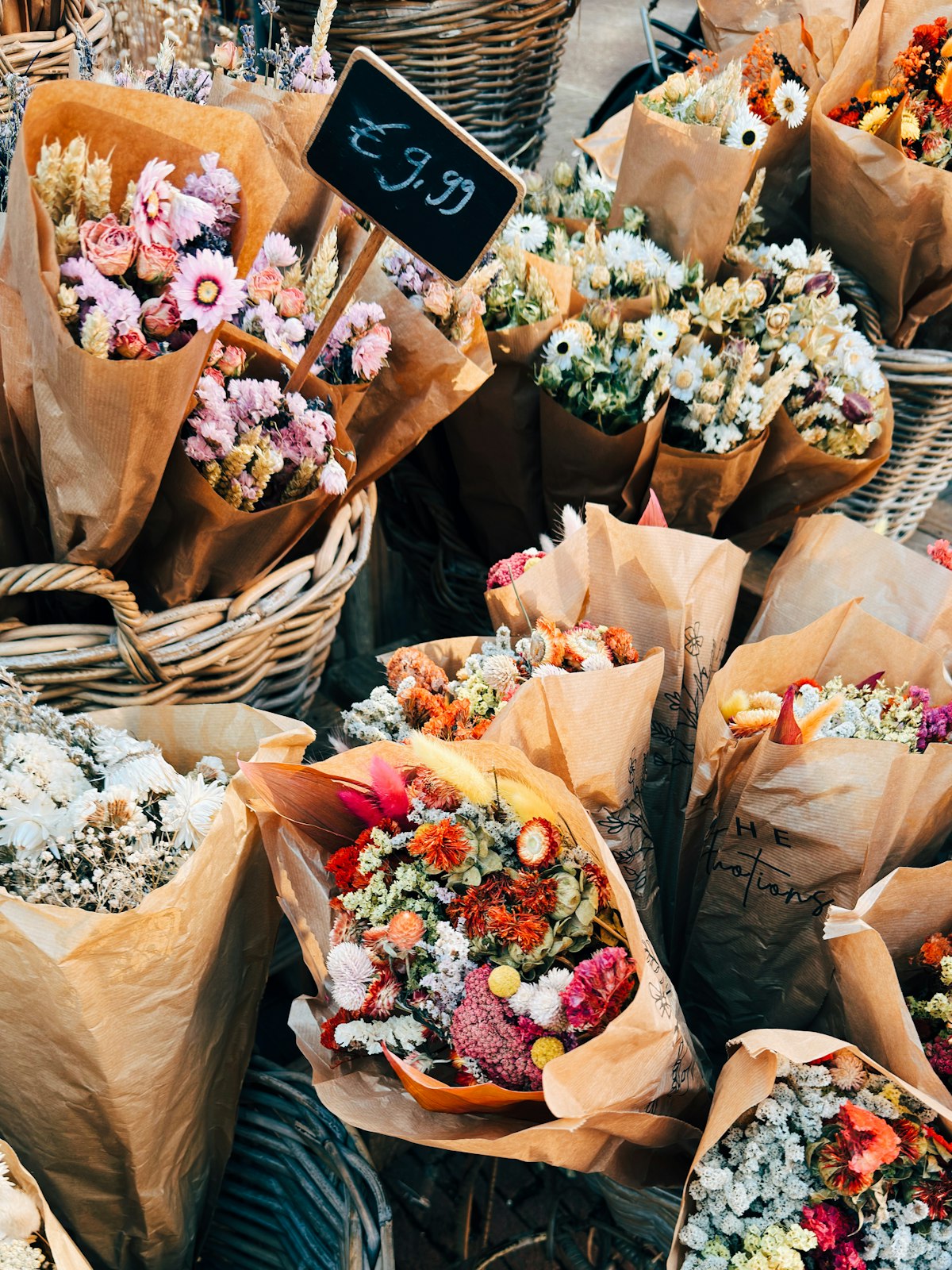
The Arnhem market on Wednesday mornings is a fair example of what works. There are maybe thirty stalls. The flower seller at the corner sells flowers from her own greenhouse outside the city — she told me this unprompted, which is either marketing or pride, and in either case the flowers last longer than the supermarket ones. There's a cheese stall where the two people running it disagree with each other about which variety to recommend, which means they're both paying attention.
The fish seller at the centre sells herring the way herring is supposed to be eaten, which is standing up, with raw onion, not in a tourist-friendly format. The fact that this is still an option tells you something about who the market is for.
Markets in the Netherlands that I've found worth visiting more than once: the ones in Arnhem (Wednesday), Nijmegen (Saturday morning), and the Noordermarkt in Amsterdam on Saturday — though Amsterdam's is increasingly performing the idea of itself rather than being itself. Utrecht's market on Wednesday is technically fine but the surroundings have changed enough that the market feels like it's trying to hold on.
What changes when you return
The second visit to any market is the useful one. The first time, you're still looking at the stalls. The second time, you start looking at the people. Who keeps coming back. What they're buying. Whether the vendors remember them.
A market where regulars and vendors have established patterns — not friendship exactly, but recognition — is doing something a supermarket can't do. Whether that matters to you depends on what you want shopping to be.
For me it matters, but I'm aware that's not universal. I know people who go to markets for the atmosphere and buy the expensive jam. That's fine. It's a different transaction but it keeps the market solvent. The problematic category is markets that have become entirely the second type without realising it. You can tell because the prices have adjusted upward without the quality following.
The good ones haven't done that yet. The ones worth visiting still have a mix. The best ones haven't thought about it at all.